Imagine turning casual website visitors into booked jobs by the end of the day. That sounds like magic, but AI-driven lead generation is making it routine for local service businesses—plumbers, landscapers, HVAC techs—to capture higher-quality leads without pouring more money into ads.
How to identify anonymous website visitors without increasing ad spend
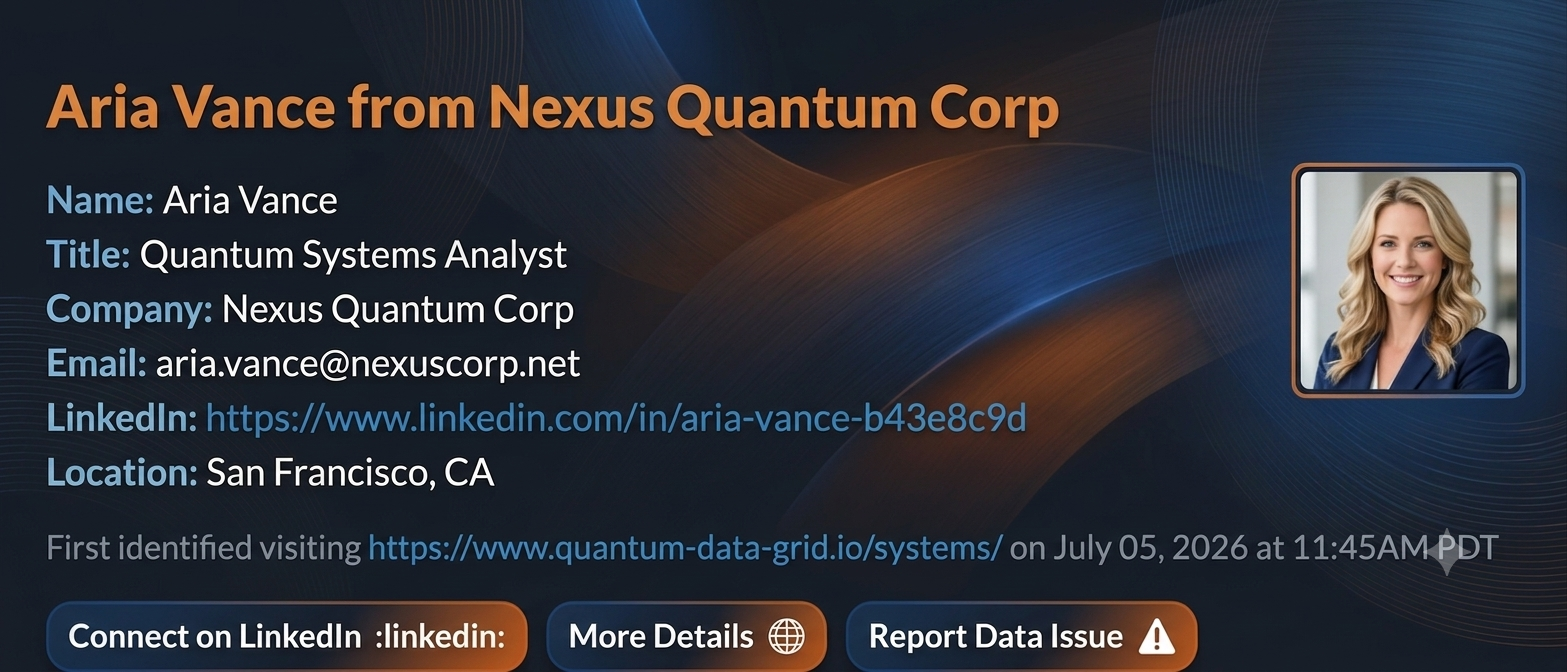
You don’t need a bigger ad budget to know who’s dropping by. Modern AI tools combine passive signals—IP and device fingerprints, page sequence, time-on-page, and search referrers—with CRM enrichment to infer business type, location, and intent. Server log analysis and reverse IP lookups can reveal company or neighborhood-level info; pattern recognition links behavior to personas. The trick is using privacy-compliant enrichment and behavioral modeling: no invasive tactics, just smarter interpretation. That gives you a shortlist of visitors likely to convert, so you reach out when it matters.
Why most local business websites lose 70% of potential leads
Seventy percent sounds brutal, but it’s true: poor UX, vague CTAs, slow pages, and forms that ask too much kill conversions. Many sites treat visitors like they’re only window-shopping—no live chat, no click-to-call, no instant quote. Even when visitors fill forms, follow-up is slow or generic. Combine that with a lack of lead scoring and you end up chasing the wrong people or missing the right ones. The result: traffic without impact.
How intent data reveals customers ready to buy right now
Intent data is the secret sauce. It’s not just that someone visited your pricing page; it’s that they searched “emergency boiler repair near me,” visited three service pages, and returned an hour later. AI aggregates these micro-behaviors into a heat score. A high intent score screams “ready to buy”—and that should trigger immediate outreach: an automated SMS, a live-chat prompt, or a click-to-call button. Intent data helps you prioritize outreach to people who are already leaning toward a decision.
The difference between traffic, leads, and real buying signals
Traffic is a number: how many people saw your site. Leads are names and contact details captured from forms or calls. Buying signals are behaviors: rapid repeat visits, page depth on service pages, time-on-job-estimate tools, and specific phrase searches. Traffic is a pool. Leads are fish you’ve hooked. Buying signals are the ones thrashing on the end of the line—ready to be landed.
How local businesses can convert website visitors into conversations
Start small and practical. Install AI-powered chat that recognizes intent and hands off hot prospects to a human. Use click-to-call and one-click booking for mobile visitors. Add micro-conversion paths—quick quote widgets, cost estimators, or short yes/no surveys—that require minimal friction but surface intent. Automate follow-up: instant SMS or email when someone abandons a quote, and prioritize outreach based on intent scores. Finally, train staff to respond fast and conversationally; speed and tone win more jobs than polished scripts.
AI makes this scalable. It identifies anonymous visitors, highlights the truly interested, and nudges them into real conversations—fast. For local service businesses, that means fewer wasted leads and more booked appointments. Overnight? Maybe not magic—but close.