Most local service websites are quietly leaking money. They pull in visitors—sometimes a steady trickle, sometimes a rush—but very few of those people turn into conversations. AI changes that equation by turning anonymous traffic into actionable, hyperlocal leads without blowing your ad budget sky-high.

Identify anonymous visitors without increasing ad spend

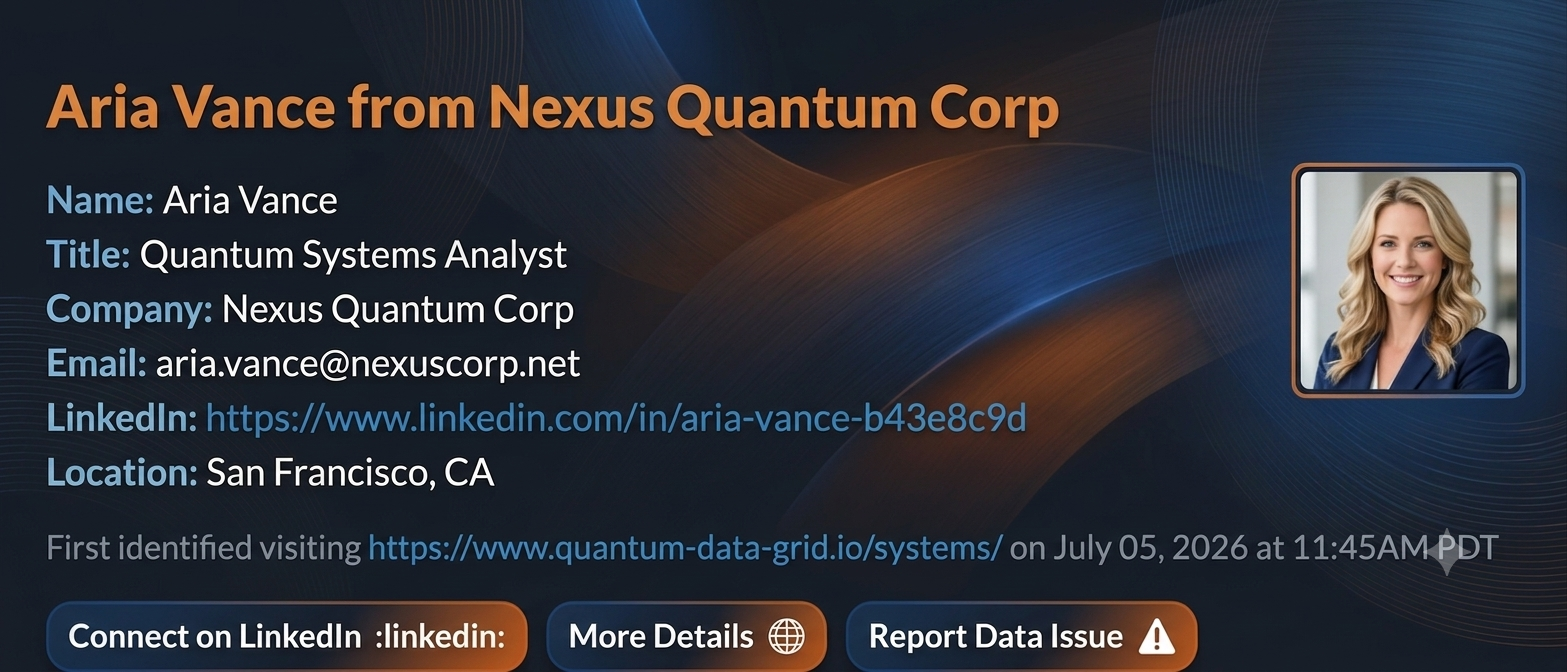
You don’t need to pour more dollars into ads to know who’s browsing your site. AI platforms stitch together first-party signals (pages visited, time on site, form attempts) with privacy-safe enrichment techniques like reverse IP lookup, hashed contact matching, and CRM cross-referencing. Machine learning models spot patterns—neighborhood IPs, recurring device fingerprints, or behavior that matches past customers—and surface likely identities or at least neighborhood-level profiles. The result: you can prioritize follow-ups for the visitors most likely to hire you, all while staying compliant and not upping ad spend.

Why most local business websites lose 70% of potential leads

The number is brutal but common. Sites lose leads because they confuse visitors with weak calls-to-action, slow pages, opaque pricing, or buried contact methods. Few sites capture micro-signals (return visits, pricing page dwell time) or respond instantly. Without live chat, quick click-to-call buttons, or automated follow-up, interest cools and prospects pick the phone to a competitor. Add poor mobile UX and limited local credibility (no reviews, no neighborhood references), and you’re watching 70% slip through the cracks.

How intent data reveals customers ready to buy right now

Intent data is the digital scent trail customers leave when they’re close to purchase. Visiting a “book now” or “pricing” page, repeatedly opening your service area map, or searching “[service] near me” multiple times are high-intent signals. AI ingests these signals in real time, matches them to past conversion patterns, and flags prospects who are “hot.” That allows you to reach out while the prospect is still in decision mode—when conversion rates spike.

Traffic vs leads vs real buying signals

Understand the funnel: traffic is volume—people who visit. Leads are visitors who provide contact info or show clear engagement (form fills, phone clicks, chat messages). Real buying signals are a subset of leads: behaviors that historically precede conversion—late-night searches, comparing quotes, multiple pricing page views, or returning from a map result. AI separates the noise from the signal so teams don’t waste time chasing every visitor, only the ones who behave like buyers.

Turn website visitors into conversations

Start with conversational touchpoints—AI chat that feels human, click-to-call on mobile, instant scheduling widgets with calendar availability. Use micro-conversions: quick “book a call” buttons, SMS opt-ins, or price-estimator tools that trade value for contact info. Automate follow-up with personalized messages informed by the visitor’s behavior: “I saw you checked our same-day repair page—can I pencil you in this afternoon?” Route hot leads to reps instantly and nurture the rest with segmented offers. Layer in local proof—neighborhood testimonials, before/after images from nearby jobs, and Google Business reviews—to shorten trust-building.

AI doesn’t replace good service; it accelerates discovery. For local providers, it turns anonymous clicks into neighborhood conversations—fast, focused, and with a clear path to the phone ringing.