You’re competing in a crowded local market. AI can tip the scales in your favor by turning passive website visitors into real conversations — without inflating your ad budget. Here’s how.
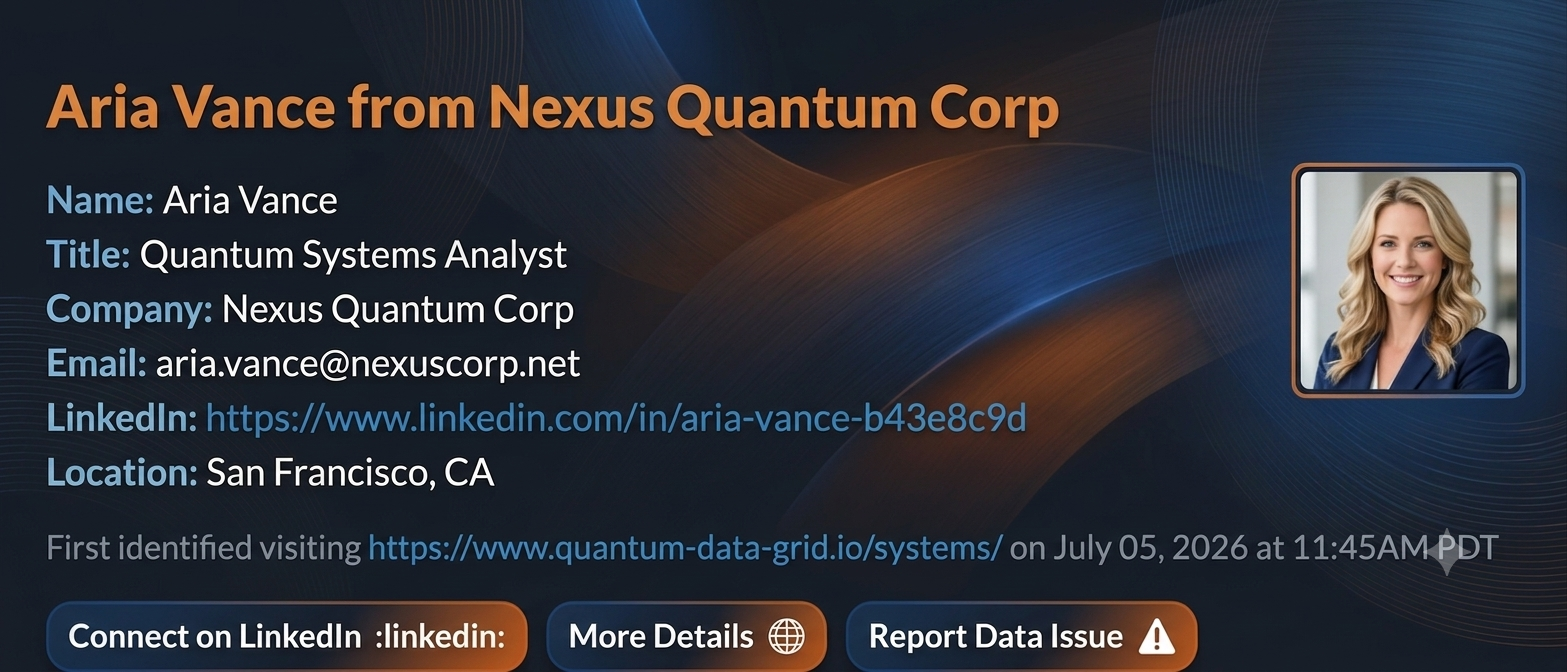
Start by identifying anonymous website visitors without increasing ad spend. First-party data is your goldmine. Use server-side analytics, reverse IP lookup, and local enrichment services to map anonymous visits to businesses or neighborhoods. Modern AI models can match behavioral patterns — time on service pages, repeat visits, contact page views — to likely customer profiles and assign confidence scores. You don’t need to buy expensive lists or boost ad spend; you need smarter data stitching: combine CRM history, booking logs, and on-site signals to reveal visitors’ probable identities and intent.
It’s no mystery why most local business websites lose roughly 70% of potential leads. Many sites are static billboards: slow to load, lacking clear calls-to-action, buried contact details, and long, friction-heavy forms. Even worse, businesses often view traffic as success and forget to prompt the next step. Visitors bounce after one or two pages because nobody asks them a simple question in the moment — “Do you need a quote?” Mobile experience is often a mess, and chat is either absent or generic. The result: interested people leave, never to return.
Intent data is what bridges curiosity and purchase. Intent signals are behavioral clues — the pages someone visits (pricing, scheduling, FAQs), search queries that lead them to your site, frequency of visits, and engagement depth. AI ingests those signals and transforms them into a “ready-to-buy” score. For example, a visitor who views your pricing, checks testimonials, and returns within 48 hours is far closer to booking than someone who glanced at your homepage. Intent-driven prioritization lets you pursue the hot prospects first.
Understanding the difference between traffic, leads, and real buying signals is crucial. Traffic equals raw visits: volume and pageviews. Leads are captured contact points: submitted forms, phone calls, or newsletter signups. Real buying signals are behaviors that indicate imminent conversion: multiple visits to pricing or service pages, interactions with a quote calculator, clicking “schedule now,” or engaging with a chat widget. AI-based lead scoring separates noise from opportunity so your team focuses on the prospects who will convert today.

So how do you convert visitors into conversations? Start with proactive, context-aware engagement. Deploy an AI-powered chat that triggers only when intent thresholds are met — not a popup that annoys everyone. Offer click-to-call buttons, instant booking, and pre-filled contact forms after a few high-value actions. Use SMS or WhatsApp follow-ups for timely nudges, and integrate these signals into your CRM so staff get push notifications with concise context and suggested scripts. Personalize landing pages dynamically based on source and behavior. Finally, automate nurture for lower-intent visitors: retarget with helpful content, testimonials, and local case studies to warm them up.
In short: stop measuring vanity traffic. Use AI to reveal who’s actually ready to buy, and set up frictionless ways to start a conversation. Small local teams can win big by responding faster, smarter, and with better context than the competition.