Imagine hundreds of people wandering through your website every month—most leave without a trace. AI-powered lead generation is changing that for local service businesses by turning anonymous visitors into meaningful conversations, without throwing more money at ads.

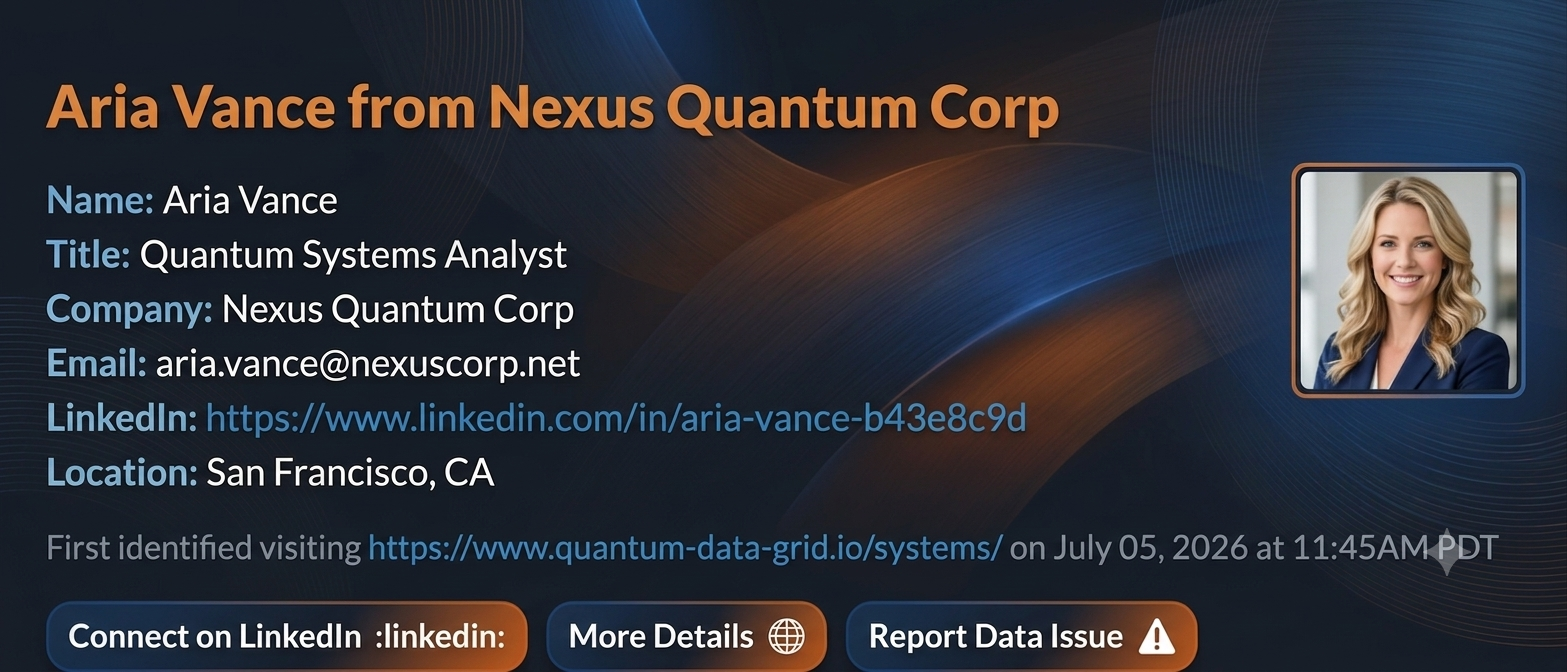
Start with the visitors you already have. Identifying anonymous website traffic doesn’t always mean launching pricey campaigns. AI tools can match anonymized IPs to companies, enrich first‑party data, and infer visitor profiles from behavior patterns. Reverse-IP lookups, combined with historical on-site engagement, reveal likely industries or organizations. Smart chat widgets and progressive forms capture contact details gradually, minimizing friction while respecting privacy. The trick is to optimize the funnel you own rather than increasing ad spend to chase strangers.

Why do local business sites lose roughly 70% of potential leads? The reasons are painfully simple: weak calls-to-action, slow load times, buried contact options, generic copy that offers no local relevance, and no mechanism to prioritize high-intent visitors. Many sites ask for too much too soon. Others never follow up because the visitor leaves anonymous. The result: a steady stream of traffic that looks healthy in analytics but produces little revenue.

This is where intent data becomes invaluable. Intent signals—like repeat visits to a services page, multiple opens of a pricing PDF, time spent on a “book now” page, or queries that include “near me” and “today”—indicate someone likely to buy right now. AI models aggregate these signals and score visitors by purchase readiness. Third-party intent providers can supplement this by identifying users actively researching your category across the web. When you can see who’s hot—and why—you can prioritize outreach to those most ready to convert.

It helps to distinguish three concepts: traffic, leads, and real buying signals. Traffic is raw volume—anonymous and indiscriminate. Leads are qualified contacts—names, phones, emails—whose identity has been revealed. Real buying signals are behavioral cues that imply imminent purchase intent. A visitor becomes valuable only when identity and intent align: that’s when a conversation should start.

So how do local businesses turn visitors into conversations? First, reduce friction: add click-to-call buttons, prominent contact forms, and fast-loading pages. Use AI chatbots to greet visitors proactively, ask a couple of qualifying questions, and either book an appointment or escalate a hot lead to a human. Apply intent scoring so staff don’t waste time on low-probability inquiries. Enrich form submissions automatically with local context—service area, property type, past interactions—so reps start conversations informed. Automate follow-ups via SMS and email within minutes; speed converts. Leverage review snippets and neighborhood case studies to build trust instantly.

Finally, treat lead generation as a continuous optimization problem. Test messaging, tweak chat prompts, and let AI learn which combinations of signals predict sales. The outcome: better conversion from the same traffic, fewer missed opportunities, and conversations that close. AI doesn’t buy customers for you, but it makes sure the customers already looking for you don’t slip away unnoticed.