Your website gets traffic, but how many of those visitors turn into conversations—and real customers? For local service businesses, the gap between clicks and clients is painfully wide. The good news: AI and intent data let you identify and prioritize the visitors who are ready to buy, without throwing more money at ads.
Identify anonymous visitors without increasing ad spend
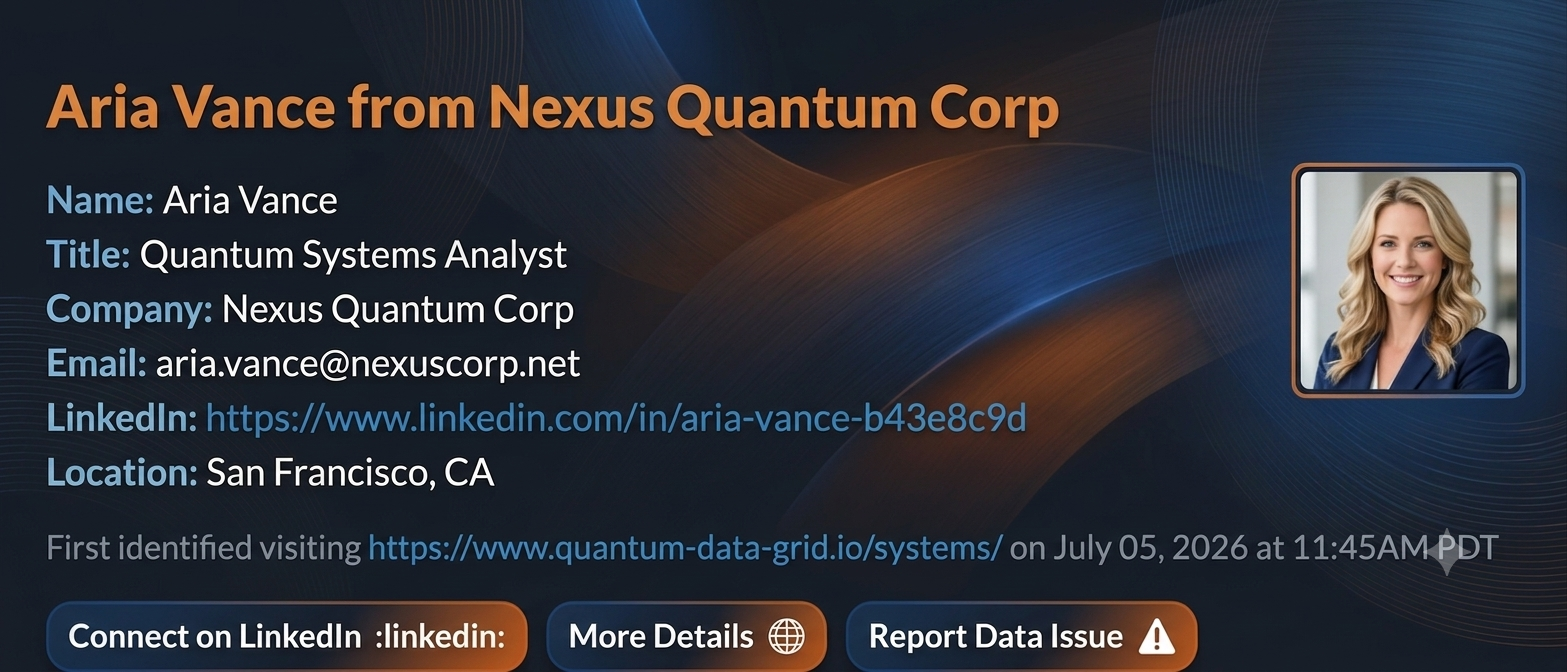
You don’t need a bigger ad budget to know who’s on your site. Start with the data you already have. IP intelligence and reverse IP lookups can reveal business or neighborhood-level info. Call-tracking numbers tied to landing pages expose which campaigns drive phone calls. Add lightweight onsite tools—AI chatbots, short exit-intent forms, micro-CTAs asking for a zip code—and you’ll collect first-party signals that don’t require new ad buys. Match these signals to your CRM with enrichment tools and session replays to connect anonymous behavior to names and phone numbers. All of it leverages existing traffic rather than buying more.
Why most local business websites lose 70% of potential leads
Too many local sites act like flyers: one-way broadcasts that expect visitors to do the heavy lifting. Slow pages, unclear calls-to-action, long forms, and buried booking options kill momentum. Visitors leave when they can’t find pricing, proof, or an easy way to talk. Add a lack of follow-up—no SMS, no automated email, and no chat—and you lose the majority of interested people. The result: roughly 70% of potential leads slip away before the business even knows they were there.
How intent data reveals customers ready to buy right now
Intent data turns anonymous activity into a behavioral score. Which pages did someone visit? Did they check pricing, service availability, or appointment slots? How many times have they returned? Intent is also time-sensitive: searches for “emergency plumber near me” or repeated visits to a “book now” page are strong buying signals. AI models weigh these signals and surface visitors who are most likely to convert—so you focus on conversations, not just clicks.

The difference between traffic, leads, and real buying signals
Traffic is raw volume: people who land on your pages. Leads are visitors who hand over contact details. Buying signals are a subset of leads who demonstrate urgency or readiness—behavior like multiple visits, pricing page views, call intent, and form abandonment on a booking step. AI helps separate casual browsers from high-value prospects by scoring behaviors, combining contextual data (location, device, referral) with sequence and recency.
How local businesses can convert visitors into conversations
Actionable steps: install conversational AI that opens a chat when intent spikes; use call-tracking and local number swapping to capture source; set micro-conversions (zip code, problem description, preferred time) to reduce friction; automate instant text or call-backs for high-intent visitors; and enrich incoming leads in your CRM for timely human follow-up. Prioritize speed: a response within minutes dramatically raises conversion rates. Finally, test and iterate—A/B your CTAs, shorten forms, and let AI learn which triggers produce conversations.
Turn anonymous clicks into meaningful talks. With intent-driven AI and a few pragmatic tools, local services can stop losing leads and start booking customers—without spending more on ads.